Get In Touch
08045816248Working Hours
Mon - Sat 8:00 - 6:30 Get a Quote
- Home Page
- Company Profile
-
Our Products
- Scale Inhibitors
- Biocides Chemical
- Benzalkonium Chloride
- Cleaning Chemicals
- Cooling Tower Chemicals
- Corrosion Inhibitor
- Homo-Polymer Maleic Acid
- Sodium Meta-bi Sulphate
- Acrylic Acid Polymer
- Membrane Cleaner
- Diethylenetriamine Penta Methylene Phosphonic Acid
- DIETHYLENETRIAMINE PENTA METHYLENE PHOSPHONIC ACID
- Diethylene Triamine Penta (Methylene Phosphonic Acid) - DTPMPA For Cooling Tower Water Treatment
- Diethylene Triamine Penta (Methylene Phosphonic Acid) -DTPMPA For Boiler Water Treatment
- Diethylene Triamine Penta (Methylene Phosphonic Acid) -DTPMPA For RO Water Treatment Plant
- Diethylene Triamine Penta (Methylene Phosphonic Acid) -DTPMPA Manufacturer
- Carboxylic Sulfonate Terpolymer
- Sugar Processing Chemicals
- Non Oxidizing Biocide
- Oil Refineries Chemical
- Phosphonates Acid
- PHOSPHONATES ACID
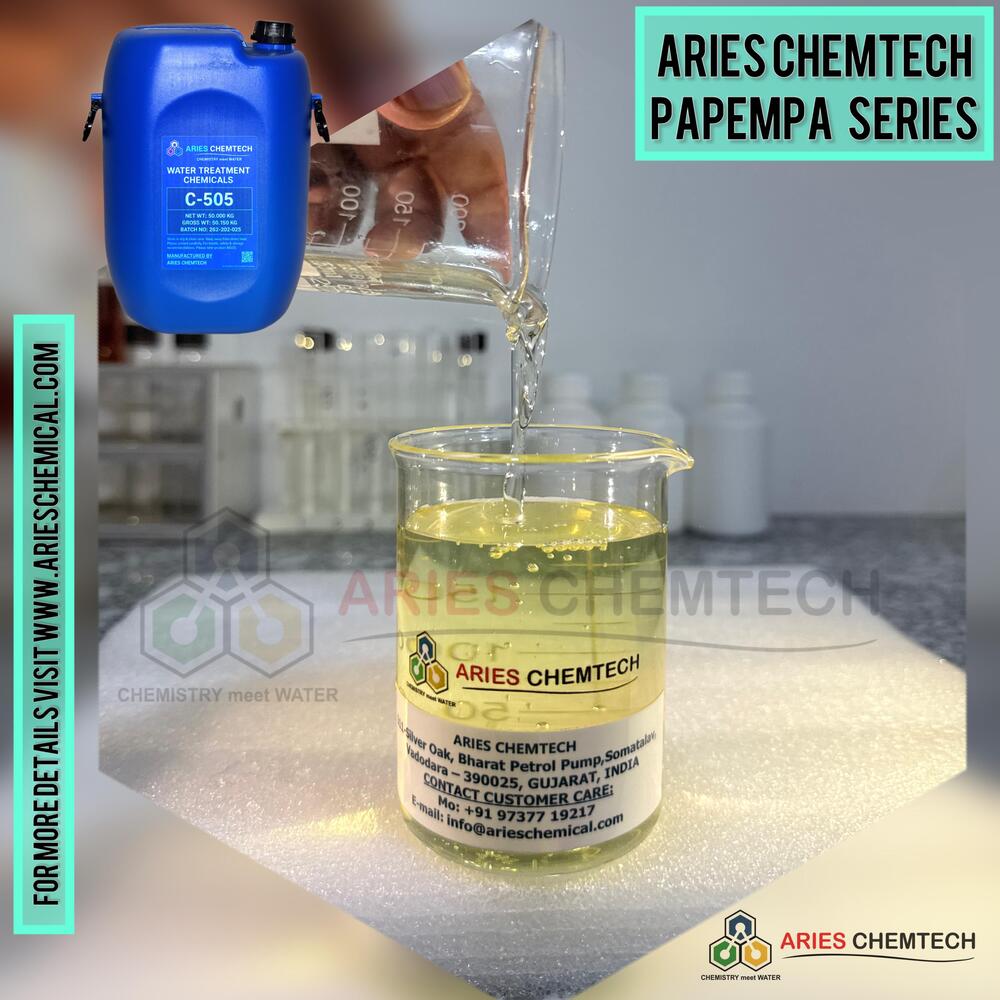
- PAPEMPA CHEMICALS
- PHOSPHONOBUTANE TRICARBOXYLIC ACID
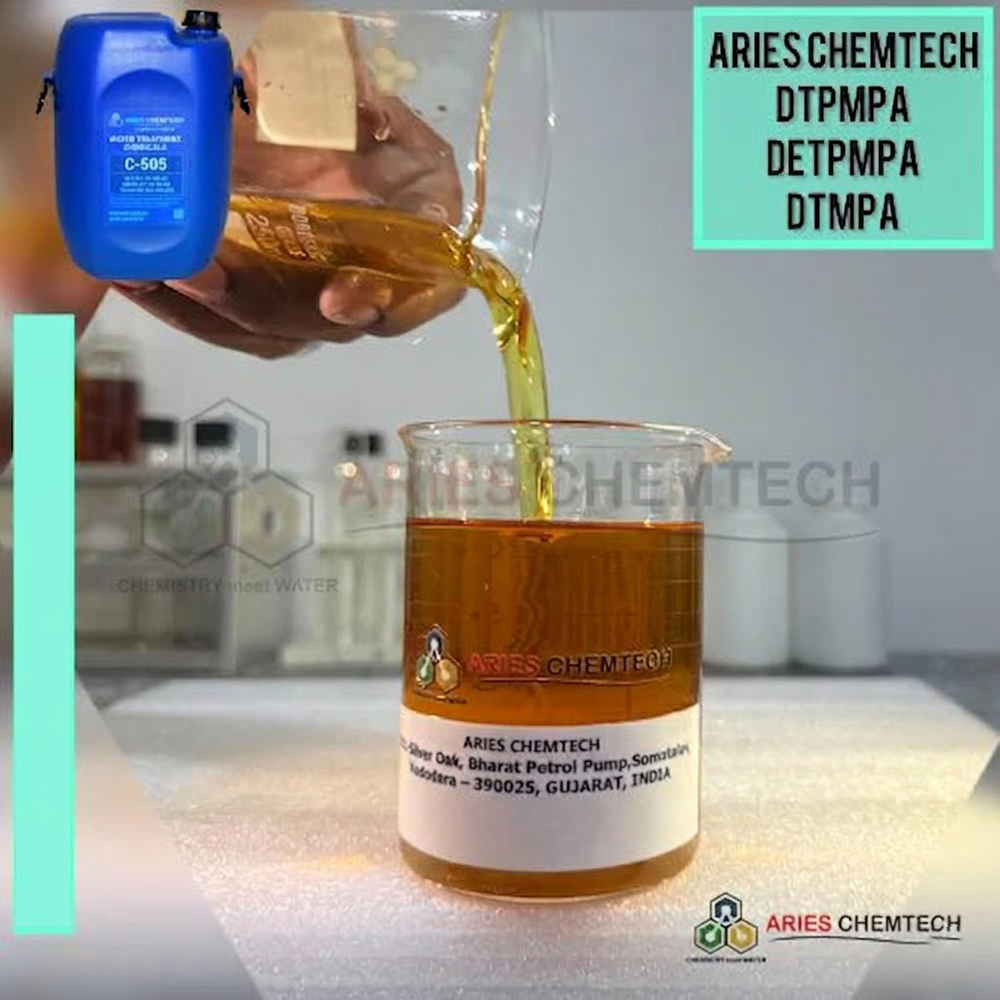
- DTPMPA CHEMICALS
- PBTC CHEMICAL
- AMINO TRIMETHYLENE PHOSPHONIC ACID
- ATMP CHEMICAL
- Hydroxy Ethylidene Di phosphonic Acid -HEDP for Boiler Plant
- Hydroxy Ethylidene Di phosphonic Acid -HEDP for RO Plant
- Polyamino Polyether Methylene Phosphonic Acid - PAPEMPA For Boiler Plants
- Polyamino Polyether Methylene Phosphonic Acid - PAPEMPA for RO Plants
- Polyamino Polyether Methylene Phosphonic Acid - PAPEMPA Manufacturer
- 2-Phosphonobutane- 1,2,4-Tricarboxylic Acid-PBTC for industrial water treatment
- Amino Tri Methylene Phosphonic Acid - ATMP
- EDTMPA 50%
- Ethylene Diamine Tetra Methylene Phosphonic Acid-EDTMPA 50
- EDTMPA 50%-Ethylene Diamine Tetra Methylene Phosphonic Acid
- PBTC 50%-2-Phosphonobutane- 1,2,4-Tricarboxylic Acid
- Hydroxy Ethylidene Di Phosphonic Acid
- Oxygen Scavenger
- Hydrazine Hydrate
- Sulphamic Acid Descalent
- Boiler Chemicals
- Silicone Defoamer Chemical
- Defoamer Chemicals
- Sodium Di Methyl Dithio Carbamate
- Antifoaming Agents
- Aldehyde Based Biocides
- Descaling Chemical
- Fireside Chemical
- Sludge Conditioners
- Reverse Osmosis Antiscalant Chemical
- Bio Dispersant
- Antiscalant Chemical
- Water Treatment Chemical
- POLY ACRYLIC ACID HOMO POLYMER
- CARBOXYLIC SULFONATE TERPOLYMER
- POLYAMINO POLYETHER (METHYLENE PHOSPHONIC) ACID
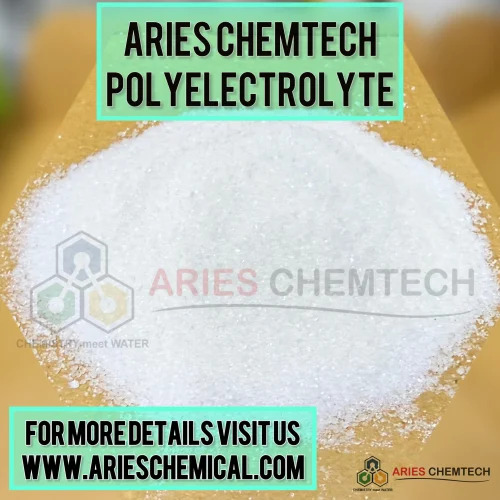
- POLY ELECTROLYTE
- ANIONIC POLYELECTROLYTE
- RAW MATERIAL FOR WATER TREATMENT CHEMICALS
- Corrosion And Scale Inhibitors
- Anionic Poly Electrolyte For ETP Plant
- BOD and COD Removal Chemical
- Carboxylic Sulfonate Non Ionic Ter Polymer
- CATIONIC POLYELECTROLYTE FLOCCULANT
- CO POLYMER FOR INDUSTRIAL WATER TREATMENT
- POLYELECTROLYTE POWDER ANIONIC
- Premium Wastewater Treatment Chemical
- Sewage Treatment Chemical
- Wastewater Treatment Chemical
- Wastewater Treatment Chemicals
- POLYMERIC DEFLOCCULANT LIQUID
- Cationic Polyelectrolyte, Powder, Medium MW
- 1 Hydroxyethylidene 1.1 Diphosphonic Acid
- ATMP AMINO TRIMETHYLENE PHOSPHONIC ACID
- AMINO TRIMETHYLENE PHOSPHONIC ACID
- ANIONIC FLOCCULANTS CHEMICAL
- ANIONIC POLYELECTROLYTE CHEMICAL
- Anionic Poly Electrolyte Powder
- BEST WATER TREATMENT CHEMICAL
- BOD and COD Removal Chemical
- Carboxylic Sulfonate Multipolymer
- Carboxylic Sulfonate Non Ionic Ter Polymer
- CATIONIC POLYELECTROLYTE FLOCCULANT
- CHILLER WATER TREATMENT CHEMICALS
- CO POLYMER FOR INDUSTRIAL WATER TREATMENT
- CONDENSATE NEUTRALISING AMINE
- Cooling Water Biodispersant Chemical
- Dtpmpa Diethylene Triamine Penta (Methylene Phosphonic ACID)
- Effluent Treatment Chemical
- POLY ELECTROLYTES ANIONIC
- POLYELECTROLYTE POWDER ANIONIC
- POLYMERS FOR WATER TREATMENT CHEMICALS
- Premium Wastewater Treatment Chemical
- PREMIUM WATER TREATMENT CHEMICAL
- Sewage Treatment Chemical
- Steam Condensate Line Treatment Chemicals
- TER POLYMER FOR INDUSTRIAL WATER TREATMENT
- Wastewater Treatment Chemical
- Wastewater Treatment Chemicals
- WATER TREATMENT CHEMICALS
- Water Treatment Polymer
- POLY ELECTROLYTE ALL TYPES
- Cooling Water Treatment Chemical
- Contact Us




 Send Inquiry
 Send Inquiry
 Send SMS
 Call Me Free
